Living In Hot Springs: Everyday Life And Local Flavor
April 2, 2026
April 2, 2026
Thinking about living in Hot Springs? You might know it for its historic bathhouses and vacation appeal, but everyday life here is more grounded and more livable than many people expect. If you are considering a move, a second home, or a future investment, it helps to understand how the city actually feels day to day. This guide walks you through the rhythm of life in Hot Springs, from downtown routines and neighborhood character to outdoor access, local events, and the kind of lifestyle you can build here. Let’s dive in.
Hot Springs is a compact city with 37,971 residents and 17,818 households, which gives it a smaller-scale pace without feeling too limited. The city also has a 17-minute average commute, so getting across town is usually straightforward compared with larger metro areas. That easier rhythm can make a real difference in your day, whether you are commuting, running errands, or heading out for dinner.
The housing mix also reflects that balanced feel. According to the U.S. Census QuickFacts for Hot Springs, the median owner-occupied home value is $156,900, median gross rent is $902, and 57.0% of homes are owner-occupied. For buyers and sellers, that points to a market with a blend of full-time residents, renters, and lifestyle-driven homeowners.
Hot Springs also skews older than many cities, with 23.3% of residents age 65 and older. In practical terms, that can shape the city’s pace, services, and daily atmosphere. For many people, it adds to the appeal of Hot Springs as a place that feels settled, approachable, and easy to navigate.
One of the most distinctive things about living in Hot Springs is how much the historic core still matters in everyday life. Bathhouse Row remains the city’s most recognizable landmark, with eight bathhouses built between 1892 and 1923 in a National Historic Landmark District. The Fordyce Bathhouse now serves as the park visitor center and museum, which keeps the city’s history visible in a way that feels active rather than frozen in time.
That historic setting is not just for visitors. According to Visit Hot Springs’ downtown guide, downtown is walkable and packed with restaurants, entertainment venues, boutiques, museums, and commercial buildings dating back to 1886. It is one of those places where your day can shift quickly from coffee or lunch to shopping, live events, or a walk near the park.
That walkability stands out in a smaller Arkansas city. You can move from the downtown core toward trails and public spaces without needing a long drive, which adds convenience to daily routines. If you value being able to mix errands, dining, and recreation in one part of town, downtown Hot Springs offers a lifestyle that feels more connected than spread out.
In Hot Springs, thermal water is not just part of the city’s history. It still shows up in everyday routines and local identity. The city highlights ongoing bathhouse use at Buckstaff and Quapaw, hotel soaking options, and even public thermal fountains where people can fill jugs.
That gives Hot Springs a local flavor that feels hard to duplicate elsewhere. Even if you are not soaking regularly, the presence of thermal water is part of what shapes the atmosphere downtown. It is one of the reasons the city feels both historic and active at the same time.
The weather also affects how people use these spaces. The National Park Service weather overview notes that the area is generally mild overall, though summers are very hot and humid, spring and fall bring the most rainfall, and winter can bring some ice or snow. If you are relocating, that seasonal pattern is useful to know when planning your routines and home search priorities.
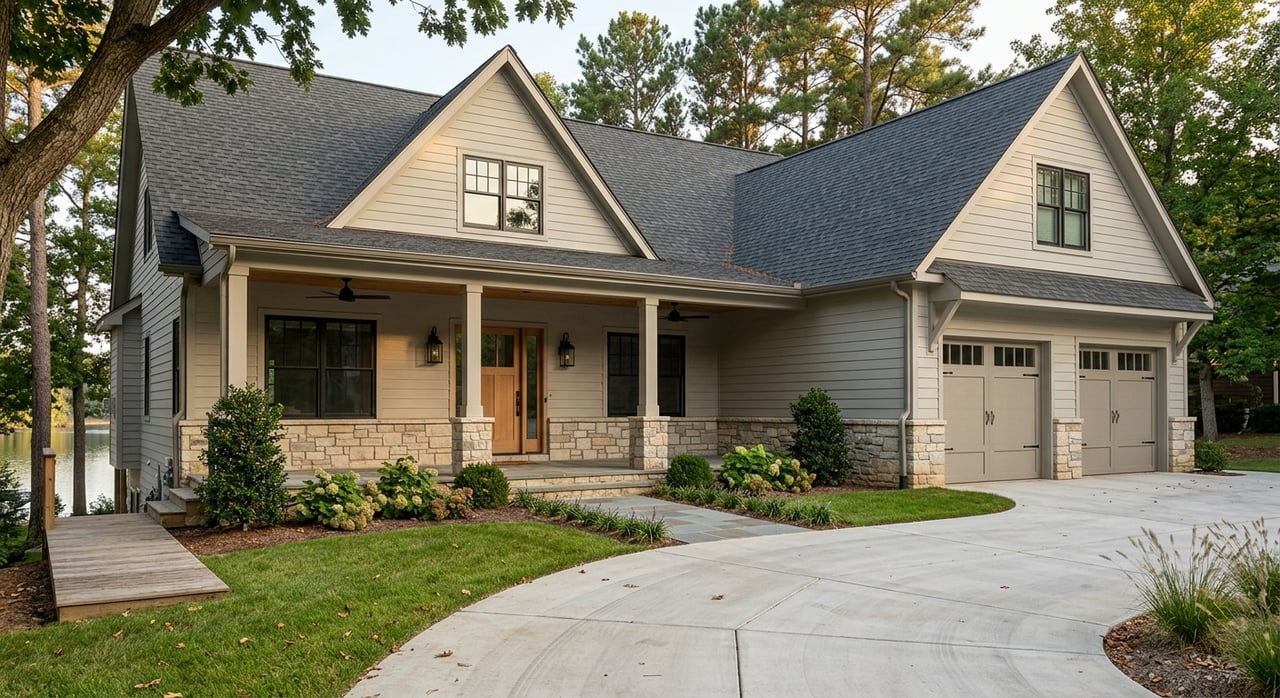
Hot Springs does not feel the same from one area to the next, which is part of its appeal. Some parts of town are closely tied to historic architecture and downtown access, while others feel more residential, outdoors-focused, or lake-oriented. If you are house hunting, that variety can open up very different lifestyle options within the same market.
The city has two official local ordinance historic districts: Central Avenue and Pleasant Street. Central Avenue is known for its downtown commercial character and architecture from the 1880s through the 1930s, with styles that include Art Deco, Classical Revival, Late Victorian, Romanesque, Spanish Renaissance, and vernacular forms. For buyers, that can translate into character-rich buildings, renovated spaces, and a stronger connection to the city’s historic core.
Pleasant Street adds a more residential layer to the story. The city’s preservation plan describes it as one of Hot Springs’ more intact African American neighborhoods, with early 20th-century single-family and multi-family homes including Queen Anne, Colonial Revival, and Craftsman Bungalow styles. The area also includes smaller homes common in the 1930s and 1940s, which helps show the city’s range in housing character and price points.
If you want a residential area with easy access to downtown and outdoor amenities, Uptown often stands out. Visit Hot Springs describes it as home to some of the city’s most historic residential neighborhoods, along with vintage motor courts, Victorian bed-and-breakfasts, and locally owned short-term rentals. It is also bike- and pedestrian-friendly, with direct access to Downtown, Hot Springs National Park, and the Northwoods Trails system.
That combination can appeal to full-time residents, second-home buyers, and buyers who want a location with built-in lifestyle value. The feel here is distinct from the downtown commercial core, but it still stays connected to it. For many buyers, that balance is a big part of the draw.
West Hot Springs has a different rhythm. It is described as largely residential, with pocket neighborhoods, locally owned restaurants, parks, grocery stores, outdoor stores, and easier routes toward Lake Ouachita. If you want a setting that feels more day-to-day residential while still staying connected to the city, this area may fit that goal.
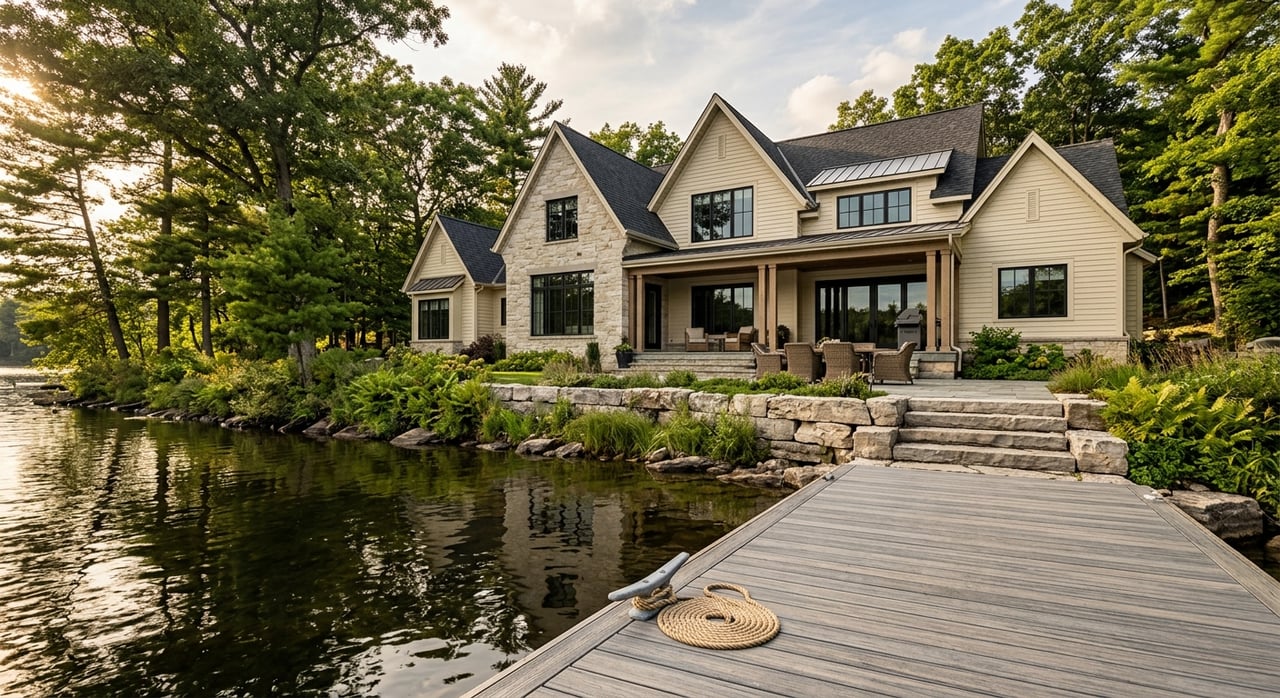
Lake Hamilton living adds another layer. The same area guide notes shoreline homes, condos, restaurants, and docks, giving some parts of Hot Springs a more resort-style feel. For buyers considering lakefront, near-lake, or second-home property, this is where lifestyle and real estate often intersect most clearly.
In Hot Springs, outdoor living is not just a weekend activity. It is built into how many people use the city during the week. That matters if you are choosing a home based on walkability, trail access, or proximity to water.
The city is anchored by Hot Springs National Park, a 5,500-acre park with 26 miles of hiking trails. Many of those routes are interconnected and easy to reach from downtown, with the Grand Promenade acting as an entry point for several of them. That means you can go from Central Avenue to trail access without a major time commitment.
The Grand Promenade itself is a half-mile brick National Recreation Trail behind Bathhouse Row, and it gives residents a simple place to walk near the heart of town. For some people, that kind of easy outdoor access becomes part of the daily routine more than a special event. It is one of the details that makes Hot Springs feel unusually lifestyle-driven for its size.
The city trail system adds to that convenience. The Hot Springs Creek Greenway Trail is a 3.8-mile multi-use asphalt trail connecting downtown to neighborhood amenities including the farmers market, parks, skatepark, and fitness area. That kind of practical connection gives residents more ways to move through town outside the car.
If you enjoy mountain biking, Hot Springs has an unusually strong setup. The Northwoods Trails system offers 31.5+ miles of trails just five minutes from downtown and welcomes hikers and trail runners as well as cyclists. It is also linked by the Pullman Trail, which connects Downtown to Northwoods and is the only trail in Hot Springs National Park open to cyclists.
That kind of access adds a lot to local lifestyle value. Instead of planning a long outing, you can often fit in trail time before work, after work, or between other plans. For active buyers, this can be a major part of what makes the city feel livable year-round.
The lakes also play a big role in daily life. Lake Hamilton covers 7,200 acres and stretches for 18 miles around the west and south sides of town, with restaurants, marinas, docks, and waterfront homes along the shoreline. Near town, Lake Ouachita State Park adds access to Arkansas’ largest lake, with boating, kayaking, fishing, camping, cabins, trails, and a marina.
For some buyers, these lake options support a full-time lifestyle. For others, they make Hot Springs especially attractive for a second home, vacation property, or investment-minded purchase. Either way, access to water is a real part of how many people experience the city.
A big reason people enjoy living in Hot Springs is that local life extends beyond the visitor experience. Yes, the city has a strong tourism identity, but residents also have year-round routines built around markets, restaurants, trails, and local events. That helps the city feel more rooted and more usable than a place that depends only on peak travel seasons.
The Hot Springs Farmers Market is a good example. It has operated year-round at its pavilion on Orange Street since 2010, offering locally grown and handmade goods, live local music, and a community-centered atmosphere. For many residents, it serves as a regular weekly stop rather than just an occasional outing.
Dining also supports everyday life. Downtown has a broad restaurant mix, from breakfast and tacos to steakhouses and fine dining, and Ouachita Avenue adds another line of locally owned spots. That gives you variety whether you are meeting friends, picking up a casual meal, or showing out-of-town guests what the city feels like.
Hot Springs also punches above its weight when it comes to arts and events. Visit Hot Springs highlights the monthly Gallery Walk, the Hot Springs Documentary Film Festival, and Arts & the Park, a 10-day festival with performances, workshops, artist talks, culinary events, architectural tours, and exhibitions. For a city this size, that kind of calendar adds meaningful depth to local life.
Recurring downtown events also create energy throughout the year. The World Championship Running of the Tubs, the World’s Shortest St. Patrick’s Day Parade, Spa-Con, and Bridge St. LIVE! all help keep the city active across seasons. If you are considering a move, that event rhythm can make Hot Springs feel more dynamic than you might expect from a smaller market.
Lifestyle is not just a nice extra in real estate. In a market like Hot Springs, it often shapes what buyers value most. Walkability, trail access, historic character, downtown convenience, and lake proximity can all influence how a property is perceived and how strongly it competes.
If you are buying, understanding the daily rhythm of each area can help you narrow your search more strategically. If you are selling, knowing how your location fits into the larger Hot Springs lifestyle story can help position your home more effectively. That is especially true in a market where buyers may be looking for anything from a primary residence to a second home, vacation property, or lifestyle-driven investment.
If you are exploring a move, planning a sale, or trying to compare neighborhoods around Hot Springs, working with a local expert can help you connect the home search to the lifestyle you actually want. When you are ready for thoughtful guidance and a polished, strategic approach, Trademark Real Estate, Inc is here to help.
Stay up to date on the latest real estate trends.
Get assistance in determining current property value, crafting a competitive offer, writing and negotiating a contract, and much more. Contact me today.
4262 CENTRAL AVE HOT SPRINGS AR 71913