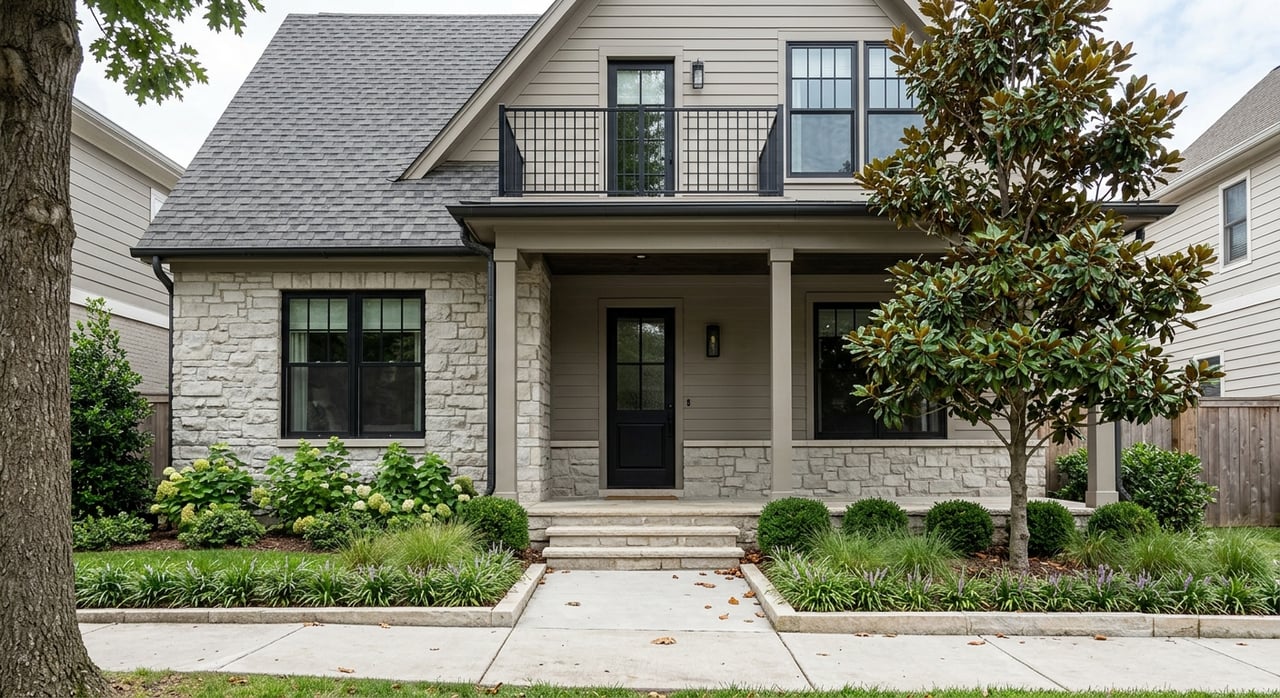
Downtown Hot Springs Living: Homes And Everyday Life
July 9, 2026
July 9, 2026
Looking for a place where historic streets, local coffee shops, hiking trails, and everyday errands can all fit into the same routine? Downtown Hot Springs offers a lifestyle that feels different from many other parts of the city, with a mix of historic character, visitor energy, and easy access to the outdoors. If you are thinking about buying, relocating, or simply learning what daily life looks like in this part of Hot Springs, this guide will help you picture it more clearly. Let’s dive in.
Downtown Hot Springs is centered around Bathhouse Row and Central Avenue, where the city’s historic identity meets Hot Springs National Park. According to the National Park Service, this core area brings together thermal springs, mountain views, forested hikes, and creeks right in the middle of town.
Visit Hot Springs defines the downtown district as Central Avenue between Grand and Whittington Avenues, plus the north side of Grand Avenue from Summer Street to Convention Boulevard. That helps explain why downtown feels compact and active, with a strong mix of public spaces, historic buildings, shops, restaurants, and cultural venues.
This is also a place shaped by both residents and visitors. Hot Springs had an estimated population of 37,979 in 2025, and Visit Hot Springs reports about 9.3 million annual visitors. In everyday terms, that means downtown can feel lively throughout the year, especially in spring and summer.
If you picture downtown living as rows of brand-new homes in a planned subdivision, this area will likely feel very different. The city’s Heritage and Historic Preservation Plan shows that downtown and the nearby districts offer a varied housing mix, with historic homes, apartments, multifamily properties, and adapted older buildings.
The Central Avenue historic district includes commercial buildings mainly built between the 1880s and 1930s. Architectural styles in the area include Art Deco, Classical Revival, Late Victorian, Romanesque, and Spanish Renaissance, which gives downtown a look and feel that is hard to duplicate in newer parts of town.
Nearby districts widen your options. The Ouachita Avenue district includes single-family homes, apartments, hotels, businesses, warehouses, theaters, restaurants, and religious buildings. The preservation plan also notes that former hotels such as the Algoma Hotel and the Oliver Hotel now serve as apartments with ground-floor commercial space.
The Pleasant Street district adds even more variety, including single- and multi-family dwellings in Queen Anne, Colonial Revival, Craftsman Bungalow, and Minimal Traditional styles. You may also find residential character in areas such as Quapaw-Prospect, which was one of the first neighborhoods to develop near Bathhouse Row and Central Avenue.
Taken together, these districts suggest that downtown Hot Springs living often means older homes with character, small multifamily buildings, apartments in adapted historic structures, and occasional loft or condo-style options. If you want architectural variety and a setting with history, this part of town stands out.
One of downtown Hot Springs’ biggest draws is convenience. Visit Hot Springs describes the district as very walkable, and the Transportation Plaza on Broadway, two blocks south of Bathhouse Row, is noted as a convenient park-and-walk starting point for much of the historic downtown area.
That said, walkability here works best for your immediate daily routine in the core. You can enjoy restaurants, galleries, public spaces, and some practical destinations on foot, while still finding a car helpful for reaching other parts of Hot Springs.
The daily atmosphere is more casual than formal. Visit Hot Springs notes that most downtown restaurants are casual, which fits the area’s easygoing rhythm and makes it simple to meet friends, grab coffee, or enjoy dinner without a lot of planning.
Downtown is one of the easiest places in Hot Springs to plug into local business life. The Downtown Association of Hot Springs highlights a range of locally owned restaurants, including Kollective Coffee, SQZBX, Superior Bathhouse Brewery, The Ohio Club, and The Pancake Shop.
Shopping also plays a big role in the downtown experience. Local boutiques, galleries, gift shops, antique stores, and specialty retailers help shape the streetscape, so even a short walk can feel active and interesting.
Practical gathering spots matter too. Downtown includes the Hot Springs Convention Center, Bank OZK Arena, and the Hot Springs Farmers Market, which adds another layer to daily life for residents who want both convenience and activity close by.
If you enjoy a place with regular events and visible public culture, downtown Hot Springs has a lot to offer. Visit Hot Springs says Gallery Walk has taken place on the first Friday of every month since 1989, bringing new exhibitions to downtown galleries and studio spaces.
The downtown calendar also includes major events like the Hot Springs Documentary Film Festival, which Visit Hot Springs identifies as North America’s longest-running non-fiction film festival. Other recurring events include Arts & the Park, the World Championship Running of the Tubs, the World’s Shortest St. Patrick’s Day Parade, Spa Running Festival, and Bridge St. LIVE! block parties.
Public art adds to that street-level experience. The City of Hot Springs places sculptures along Central Avenue and around locations like Hill Wheatley Plaza, the Exchange Street Parking Plaza, Convention Boulevard, and Malvern Avenue. For you as a resident, that can make even everyday walks feel more connected to the city’s civic and cultural life.
Downtown Hot Springs offers something many downtown areas cannot: a direct connection to trails and parkland. The Grand Promenade, a National Recreation Trail behind Bathhouse Row, runs about a half mile and includes benches, scenic views, and access to other trails.
The National Park Service says the Grand Promenade connects to several Hot Springs and North Mountain trails, including Oertel, Peak, and Tufa Terrace. That means you can go from a downtown sidewalk to a wooded trail in a short amount of time.
The wider park system adds even more range. Hot Springs National Park includes 26 miles of hiking trails, and Northwoods Trails offers more than 31.5 miles of mountain bike trails just five minutes from downtown, according to the city’s tourism information.
The Pullman Trail strengthens that link even further. The National Park Service says this 0.65-mile trail connects downtown Hot Springs to the Northwoods Trails through the park, making the outdoor lifestyle feel like a real part of everyday living rather than a separate weekend activity.
Downtown Hot Springs is not just historic in appearance. Its spa culture is still part of what makes the area unique. The National Park Service says Bathhouse Row includes two facilities where visitors can fully submerge in thermal water: Buckstaff Bathhouse and Quapaw Bathhouse.
For some buyers, that matters as much as square footage or lot size. Living near downtown can mean you are choosing a setting where trails, thermal bathhouses, public spaces, and historic streets all work together to create a lifestyle you are unlikely to find elsewhere in Arkansas.
Downtown Hot Springs tends to be a strong fit if you value historic character, walkable access to food and events, and quick entry to trails and park space. It can also appeal to buyers who want a home with personality rather than a uniform neighborhood pattern.
At the same time, this setting may not be the best match for every buyer. Based on the documented mix of historic districts and steady visitor activity, buyers looking for large yards, newer subdivision layouts, or a quieter low-traffic suburban feel may prefer other parts of the Hot Springs area.
That is why local guidance matters. When you are comparing downtown Hot Springs with lake areas, residential neighborhoods, or second-home options nearby, the right choice depends on how you want your daily life to feel, not just what features appear on a listing sheet.
If you are thinking about buying or selling in Hot Springs, working with a local expert can help you weigh lifestyle, location, presentation, and long-term value with more confidence. When you are ready to talk through your options, connect with Trademark Real Estate, Inc.
Stay up to date on the latest real estate trends.
Get assistance in determining current property value, crafting a competitive offer, writing and negotiating a contract, and much more. Contact me today.
4262 CENTRAL AVE HOT SPRINGS AR 71913