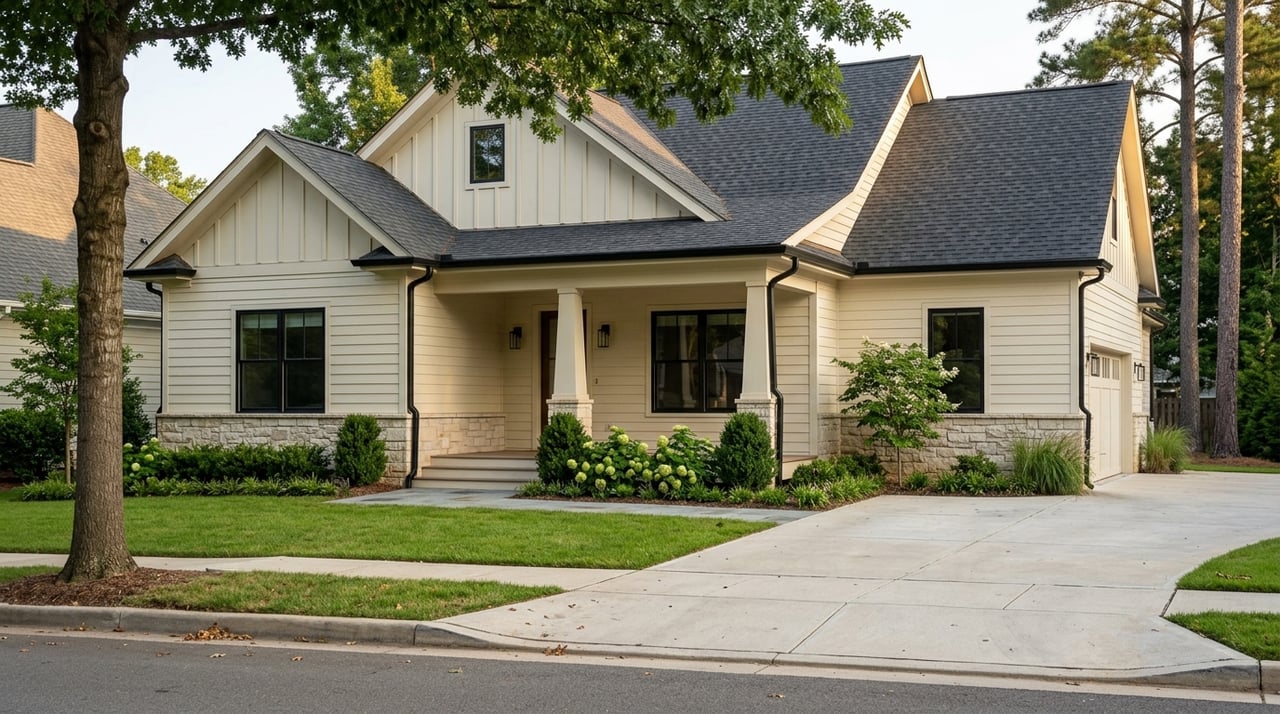
Hot Springs Neighborhoods And The Homes You Will Find
July 2, 2026
July 2, 2026
Looking for the right part of Hot Springs can feel a little overwhelming because this city does not fit into just one box. You will find historic in-town streets, mixed-use corridors, ranch-style neighborhoods, and lake-focused areas that feel almost resort-like, all within the same market. If you want to understand how Hot Springs neighborhoods differ and what kinds of homes you are likely to find in each, this guide will help you narrow your search and move forward with more confidence. Let’s dive in.
Hot Springs has a housing pattern shaped by several layers of history. Its spa-resort roots, mountain setting, and later lake development all helped create neighborhoods with very different layouts, home styles, and day-to-day lifestyles.
That means your experience can change quickly from one area to the next. In one part of town, you may see older homes near mixed-use blocks and trails. In another, you may find waterfront condos, larger postwar homes, or quiet wooded pockets near recreation.
The city also tracks details like contours, flood zones, parcels, land use, subdivisions, and zoning through its GIS system. For buyers, that is a useful reminder that property-specific research matters in Hot Springs, especially when you are comparing older homes, hillside lots, or lake-area properties.
If you want the most urban and walkable feel in Hot Springs, start here. Bathhouse Row includes eight bathhouses built between 1892 and 1923, and the row plus the Grand Promenade is a National Historic Landmark District.
The nearby Central Avenue district developed with a traditional mix of hotels, retail, offices, and upper-floor residential space. Today, some former hotels have been converted into apartments, so this area often appeals to people who want proximity to downtown activity rather than a more typical detached-home neighborhood.
You are less likely to find a classic suburban layout with large private yards in this part of the city. Instead, the housing picture leans more urban, with apartments and mixed-use residential options near commercial activity.
Quapaw-Prospect is one of the first neighborhoods to develop in Hot Springs, with roots going back to the 1880s. It stands out as one of the city’s best examples of a historic single-family neighborhood.
The housing mix is wide and visually interesting. You can find late-1890s Gothic Revival and Queen Anne homes, Craftsman bungalows, Colonial and Tudor Revival homes, Minimal Traditional houses, and early Ranch dwellings. Some Queen Anne properties also include carriage houses.
If you love character and architectural variety, this area offers plenty to explore. Homes here can feel more distinctive block by block, which makes it especially important to look closely at condition, layout, and property details rather than assuming every home in the area will feel the same.
Pleasant Street is one of Hot Springs’ most visible African American historic neighborhoods. The area developed mainly with homes for worker and middle-class families in the early 20th century, and it remains an important in-town district with a strong sense of local history.
You will see Queen Anne, Colonial Revival, Craftsman Bungalow, and Minimal Traditional styles here, along with some single-family and multi-family dwellings. Compared with some grander historic areas, Pleasant Street often feels more neighborhood-scaled and approachable.
This is a good area to consider if you want an older in-town home with history and a smaller-scale residential feel. As with any older neighborhood, house-by-house differences can be significant.
Whittington Park and the nearby West Mountain area offer another version of historic in-town living. The streets follow valley contours around Sugarloaf and West Mountains, which gives the neighborhood a layout shaped by the land rather than a simple grid.
The housing mix includes modest Queen Anne homes, Craftsman homes, and Ranch homes, plus some retail and government buildings nearby. One of the big lifestyle draws here is access to the West Mountain trail system through Whittington Park.
If trail access matters to you, this part of Hot Springs deserves a closer look. It blends older homes with an outdoor connection that can be hard to find in more conventional neighborhoods.
The Ouachita Avenue district is one of the clearest examples of Hot Springs’ mixed residential and commercial fabric. Buildings in the area date from the early 1900s to the 1960s.
The mix includes single-family homes, apartments, hotels, businesses, specialty stores, restaurants, warehouses, theaters, and religious buildings. If you are drawn to neighborhoods with a more layered, city-like pattern, this area may stand out.
You may find a broader range of residential formats here than in a purely single-family neighborhood. That variety can be appealing if you like in-town convenience and do not need a traditional subdivision setting.
As Hot Springs shifted toward automobile travel, Park Avenue became a major route into town. Over time, motor courts and lodging properties developed along this corridor, and the city’s preservation plan also notes Craftsman bungalow vacation cabins near Oaklawn.
Today, this remains a central and amenity-rich part of the city. Oaklawn Hot Springs sits on Central Avenue, close to Hot Springs National Park and within easy reach of both Lake Hamilton and Lake Ouachita.
The housing story in this corridor is a mix of older lodging-related properties, bungalow influences, and nearby residential areas tied to a busy central location. If you want convenience to major destinations and a more connected location, this area can be worth exploring.
Not every buyer in Hot Springs wants a historic home. If you prefer one-story living, a less ornate architectural style, or a newer subdivision pattern, the city’s far western, southern, and eastern neighborhoods are often the areas to watch.
According to the city’s preservation plan, Ranch homes appear across Hot Springs but are concentrated in those outer areas. Many post-World War II homes also sit in subdivisions that ring the historic core.
These neighborhoods can offer broader lot choices and a more conventional residential layout. For buyers who want practicality, simpler maintenance, or a different feel from the city’s older districts, this is often the most natural fit.
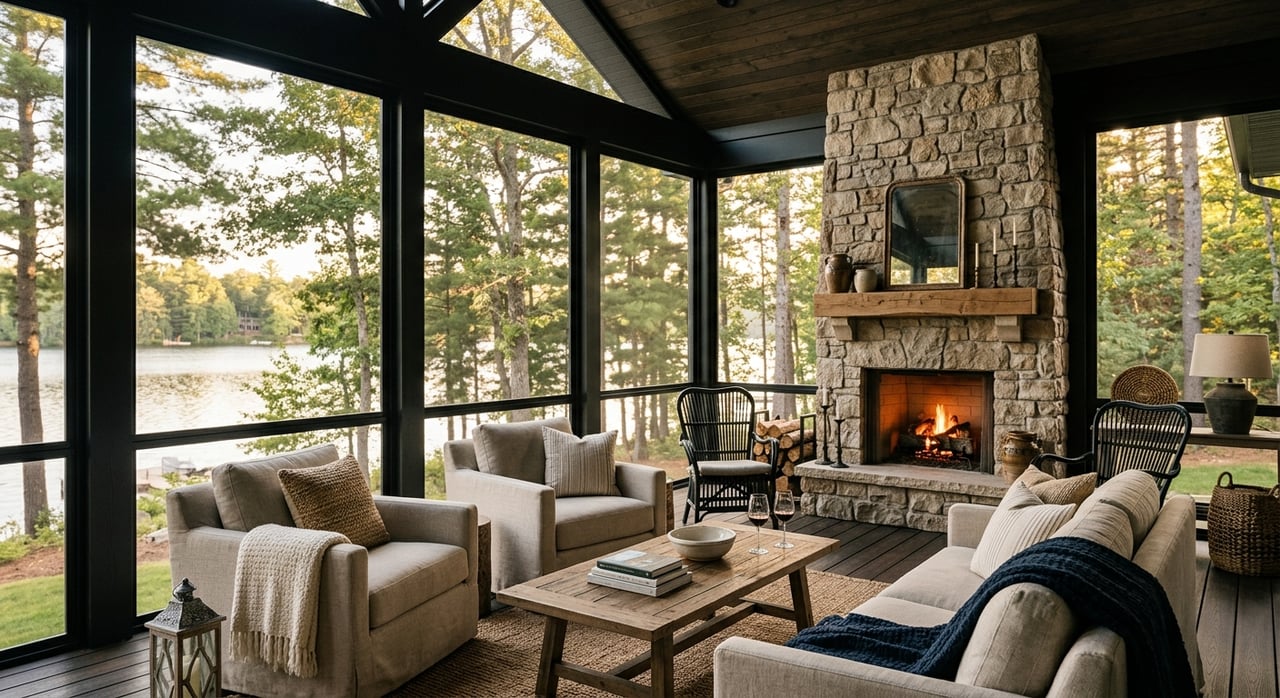
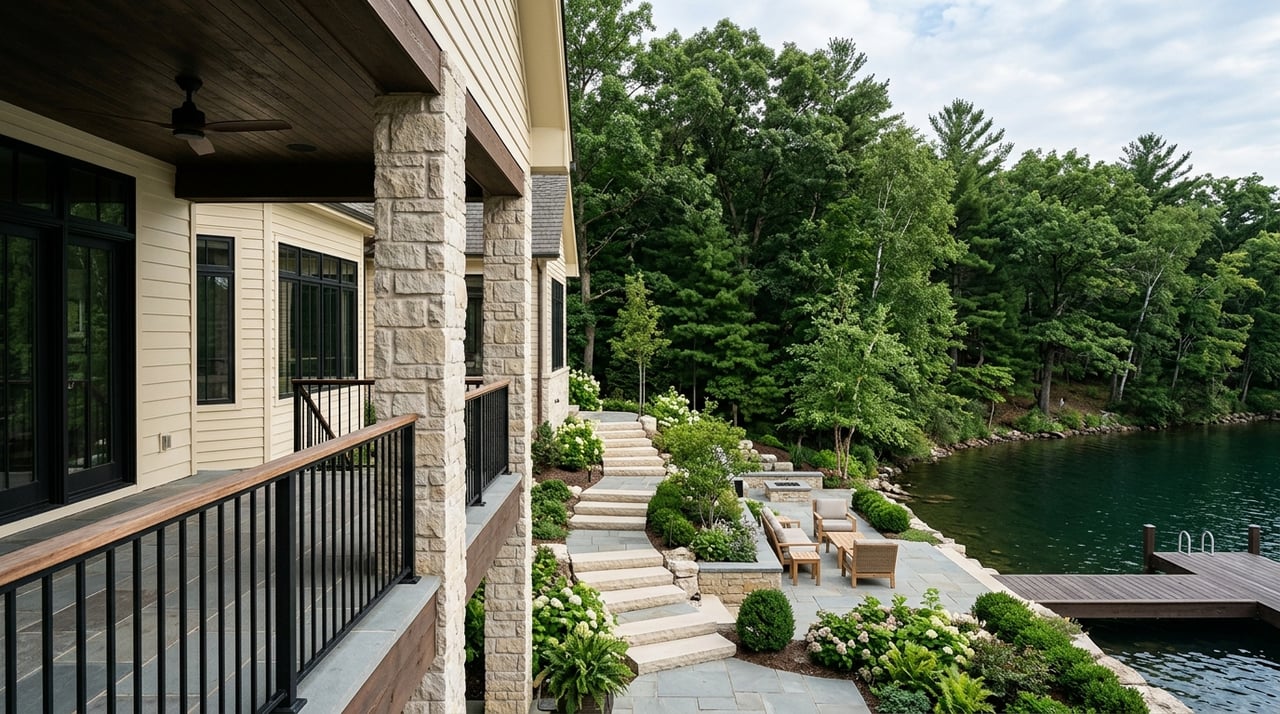
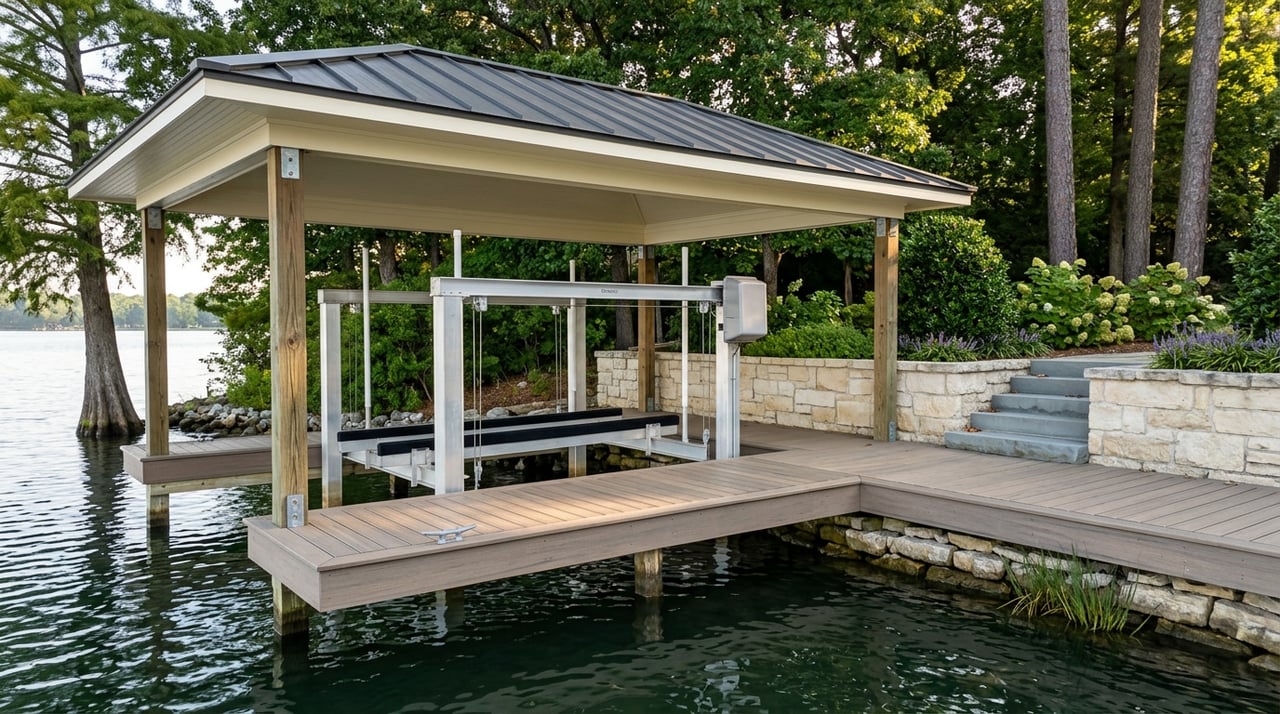
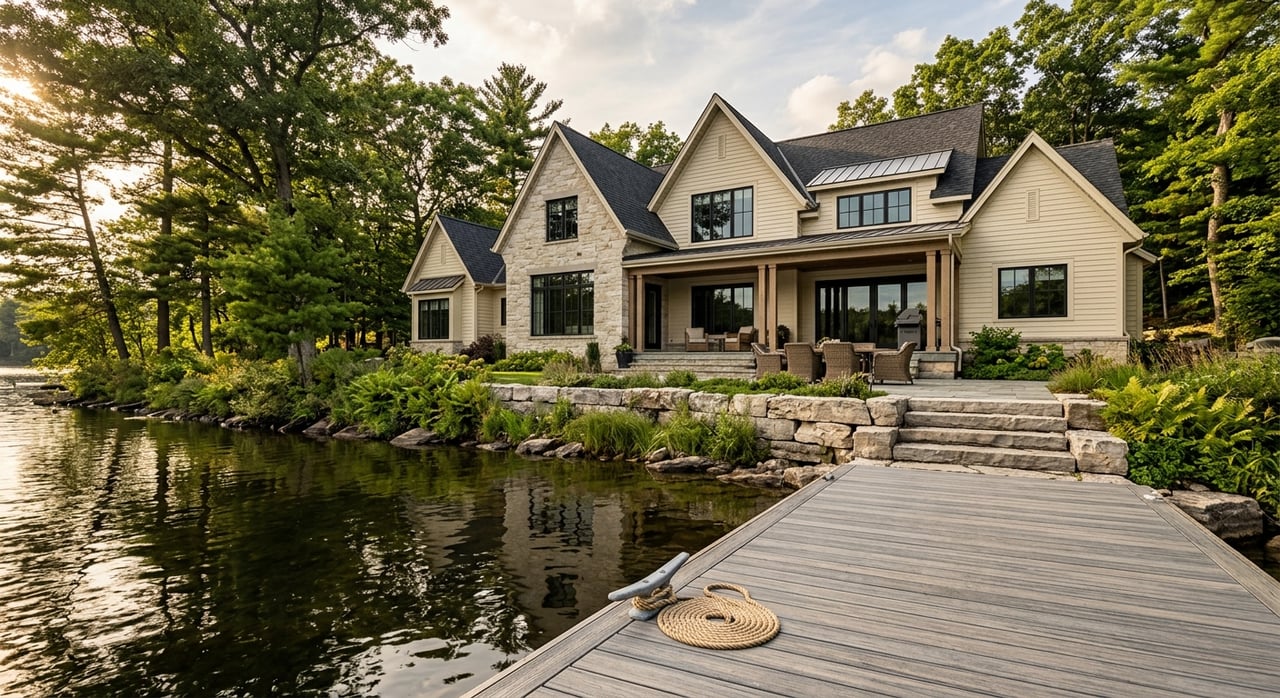
Lake Hamilton is the clearest match for a true lake lifestyle in Hot Springs. Located on the south and west ends of the city, it is developed with houses, condos, restaurants, and docks along the shoreline.
This area often appeals to buyers who want boating, water views, or a daily routine centered around the lake. Compared with traditional in-town neighborhoods, the feel here is more residential-resort in style.
You can find grand houses as well as condos on Lake Hamilton. That range gives buyers multiple ways to enjoy the water, whether you want a full-time residence, a second home, or a lower-maintenance option.
The Lake Catherine area has a different personality from Lake Hamilton. With Lake Catherine State Park, a marina, launch ramp, lakeshore cabins, campsites, and a waterfall trail, the area leans more wooded, outdoor-focused, and retreat-like.
The park’s native stone and wood buildings date to CCC-era development in the 1930s, which adds to the rustic character of the area. For many buyers, the southeast edge of Hot Springs feels less urban and more tied to recreation and natural surroundings.
If you want a greener, quieter setting with a getaway feel, this area may be a strong match. It is often better described by atmosphere and setting than by a single neighborhood pattern.
Garvan Woodland Gardens is not a neighborhood, but it helps explain the appeal of the east and southeast side of Hot Springs. Set on Arkridge Road in a wooded Ouachita setting, it includes 4.5 miles of shoreline and rocky inclines that reflect the surrounding mountain landscape.
That nearby environment often attracts buyers who want a home base that feels greener and closer to outdoor recreation. If natural scenery is high on your list, the east side may deserve extra attention.
If you are comparing neighborhoods, zoning can offer a helpful shortcut. In Hot Springs, R-S and RN-1 generally reflect larger-lot suburban patterns, RN-2 is moderate single-family, RN-3 is smaller-lot single-family, RN-4 and RN-5 include attached and multifamily forms, and RN-6 is the city’s highest-density residential district.
In practical terms, that means Hot Springs can shift from detached historic homes to townhomes, condos, and multifamily living without leaving the city. When your lifestyle goals are clear, zoning can help you identify areas that may support the kind of property you want.
Hot Springs has a broad mix of older and newer housing. The city’s preservation plan notes that many surviving historic buildings date from 1940 to 1979, while 2,712 buildings date to 1939 or earlier.
That age mix is part of what makes the market interesting, but it also means details matter. Older homes may differ widely in updates, layout, and maintenance, while hillside, lake, or in-town lots can each come with their own practical considerations.
Only two local districts, Central Avenue and Pleasant Street, have formal local-ordinance review. If you are considering an older property, it is smart to verify whether extra design review may apply and to evaluate the specific home and block rather than relying on a broad neighborhood label.
The best neighborhood in Hot Springs really depends on how you want to live. If you want walkability and an urban feel, the historic core stands out. If you want character-rich single-family homes, Quapaw-Prospect, Pleasant Street, or Whittington Park may rise to the top.
If your focus is boating and water views, Lake Hamilton is often the obvious first stop. If you prefer wooded recreation-focused surroundings, the southeast side near Lake Catherine may feel more natural. And if you want one-story living or a more suburban pattern, the outer west, south, and east neighborhoods can offer a better match.
When you are buying in a city as layered as Hot Springs, local guidance can save you time and help you compare options more strategically. If you want help narrowing down neighborhoods, understanding home types, or finding the right fit for your goals, Trademark Real Estate, Inc is here to help.
Stay up to date on the latest real estate trends.
Get assistance in determining current property value, crafting a competitive offer, writing and negotiating a contract, and much more. Contact me today.
4262 CENTRAL AVE HOT SPRINGS AR 71913